Oral Health News
Soft drinks levy: what the 2028 changes mean for teeth
Sugary milk-based drinks will lose their exemption as the levy expands, but sugar content is only part of the picture for dental health.
By The Smile Editorial Team
Published · Updated · 5 min read
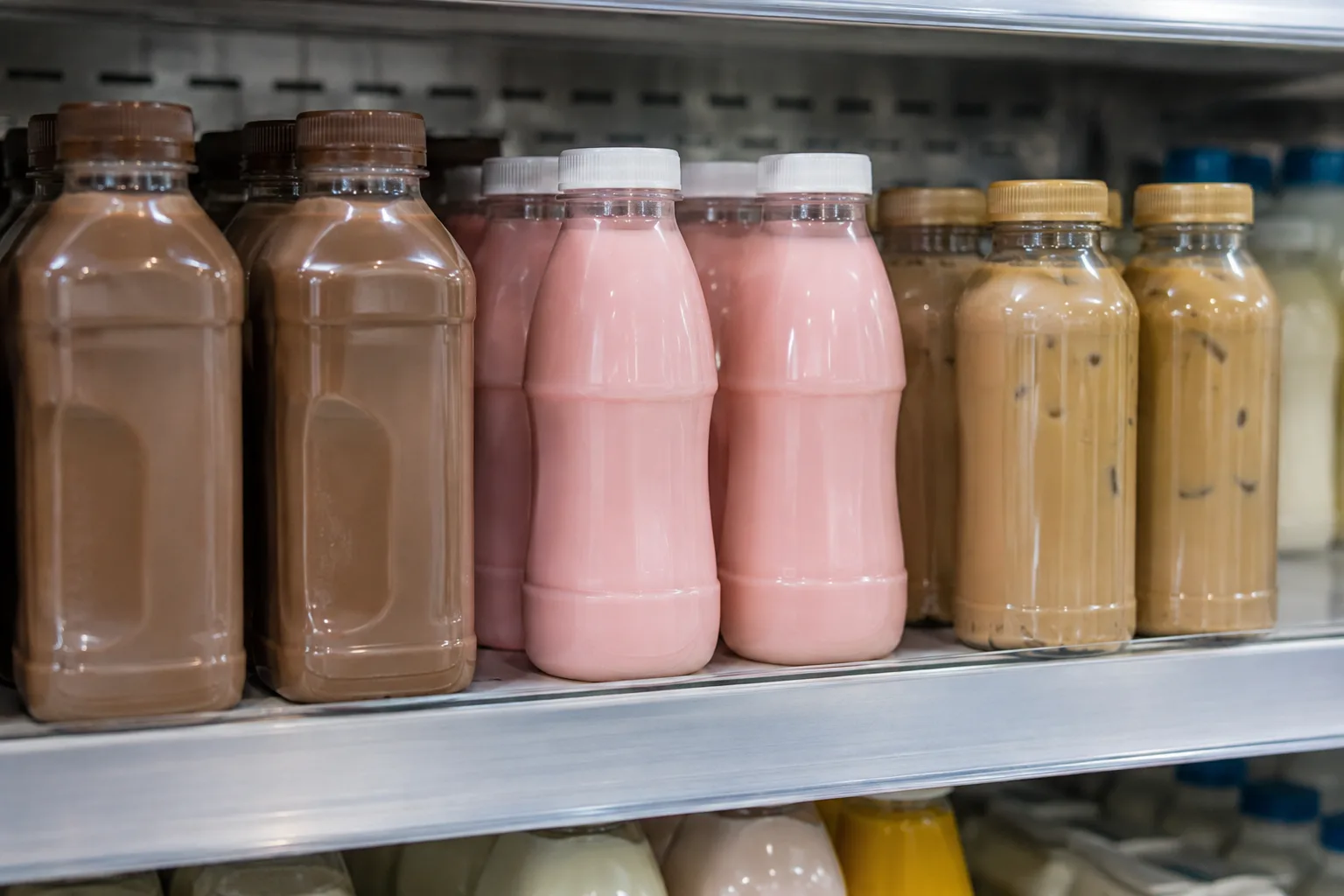
Quick answerThe soft drinks levy will cover more packaged drinks with added sugar from January 2028, including milkshakes and ready-to-drink coffees. The change aims to encourage manufacturers to reduce sugar, but a drink falling below the levy threshold is not automatically tooth-friendly.
Not medical advice. General information only. We don't diagnose or treat. Never try dental treatment at home. Always see a dentist about symptoms.
Timeline
2018
The Soft Drinks Industry Levy begins, encouraging manufacturers to reduce sugar in drinks.
April–July 2025
The government consults on extending the levy and lowering its sugar threshold.
25 November 2025
The government announces the expanded scope and confirms the implementation date.
1 January 2028
The wider scope and lower sugar threshold are scheduled to take effect.
Packaged milkshakes, sweetened yoghurt drinks and ready-to-drink coffees are set to come within the UK’s soft drinks levy from January 2028. The government announced the change on 25 November 2025, alongside a lower sugar threshold intended to encourage manufacturers to change their recipes.
For shoppers, the dental question is straightforward: will familiar drinks become better choices for teeth? Reducing added sugar would be helpful, but the levy is not a dental safety label. How often you drink something sugary, and whether it is acidic, still matter.
What happened
The Soft Drinks Industry Levy currently leaves qualifying milk-based drinks outside its scope. The extension will bring pre-packaged milk-based and milk-alternative drinks with added sugar into the system, covering categories such as flavoured milk and chocolate milk drinks.
At the same time, the lower threshold will fall from 5g to 4.5g of sugar per 100ml. Manufacturers and importers have until 1 January 2028 to prepare. The purpose is to make reducing sugar commercially worthwhile, rather than simply collect more money from unchanged products.
Plain, unsweetened milk and unsweetened milk-alternative drinks will remain outside the levy. Open-top drinks served in cafés and restaurants are also excluded. A freshly prepared sweetened coffee and a packaged coffee bought from a supermarket therefore do not necessarily face the same rules.
Will drinks become more expensive?
The levy is charged to manufacturers and importers, not added as a separate tax at the till. Shelf prices will depend on companies’ decisions about recipes, costs and pricing. It would be premature to promise either a price rise or no change for a particular drink.
The Department of Health and Social Care reports that sugar levels in drinks covered by the existing levy fell by almost half between 2015 and 2024. That period includes time before its introduction in 2018, so the figure describes a longer shift rather than a simple comparison starting on launch day.
Drinks alone cannot address every cause of poor oral health. The policy sits alongside measures affecting daily care, including supervised toothbrushing in schools, which addresses a different part of children’s dental routine.
The background
Tooth decay develops when bacteria in dental plaque use sugars and produce acids. Those acids remove minerals from the tooth surface. Repeated attacks can eventually lead to a cavity: a hole that cannot be dealt with simply by switching drinks.
Frequency matters as well as quantity. Sipping a sugary drink throughout the morning repeatedly exposes teeth to sugar. NHS advice is to limit sugary food and drink and keep it to mealtimes, rather than spreading it across the day.
That is why a modest reduction in a drink’s sugar content does not cancel out the effects of frequent sipping. Choosing a smaller serving can reduce the amount consumed, but keeping a sugary drink beside you for hours still creates repeated exposure.
Milk sugar is not the same as added sugar
Plain milk contains lactose, a naturally occurring sugar, which appears in the nutrition panel’s total sugars figure. That does not make plain milk equivalent to a sweetened milkshake. NHS guidance distinguishes sugars naturally present in milk from the free sugars people are advised to limit.
Free sugars include sugar added to food and drinks, as well as sugars in honey, syrups and fruit juice. An ingredients list can help identify added sugar, but the nutrition panel generally shows total sugars rather than a separate amount for added sugars.
Bottle size also changes the calculation. For illustration, a 500ml drink containing 4g of total sugar per 100ml supplies 20g across the bottle. Checking both the per-100ml figure and the amount you actually drink is more useful than relying on one headline number.
Sugar is not the only dental consideration. Acidic drinks can cause erosion, which is chemical wear of enamel rather than decay caused by plaque bacteria. Some sugar-free fizzy drinks remain acidic. Water is a straightforward everyday choice between meals.
Fluoride toothpaste and cleaning between teeth remain important even when sugar intake falls. Our explainer on whether a smart toothbrush can replace flossing looks at why brushing technology does not remove the need to clean the spaces a brush misses.
What people are saying
British Dental Association chair Eddie Crouch welcomed the extension, arguing that its success should be judged by whether manufacturers reduce sugar rather than by the revenue raised. That distinction matters to consumers: a changed recipe can reduce sugar exposure without requiring shoppers to choose a different drink.
England’s Chief Medical Officer, Professor Sir Chris Whitty, said the existing levy had contributed to lower sugar levels in shop-bought drinks and fewer hospital admissions for tooth extractions among young children. He expected extending it to bring further benefits for children’s health.
The government announcement cited reductions in admissions for decay-related extractions of more than 28% among children aged 0–4 and more than 5% among those aged 5–9. These are population-level findings associated with the existing policy, not predictions of how much an individual child’s risk will fall.
Hospital extraction figures also capture only one part of the dental picture. They do not count every cavity, filling or episode of toothache. Nor can results from the existing levy establish in advance the precise dental effect of adding milk-based drinks in 2028.
The distinction between observed findings and forecasts is important here. Previous changes in drink sugar levels have already been measured; benefits from the extension depend on future reformulation and purchasing habits. Its eventual dental impact will need assessment after implementation.
What happens next
Manufacturers now have a clear deadline, but shoppers do not need to wait until 2028 to review regular drinks. Check the nutrition panel when buying packaged coffees, flavoured milk or yoghurt drinks, particularly if they have become everyday snacks rather than occasional purchases.
A practical approach at the supermarket
Compare similar drinks using sugar per 100ml, then check the bottle or carton size. Look at the ingredients as well as the total sugars figure, especially for milk-based products. An exemption or a sugar content below the levy threshold should not be treated as an endorsement for teeth.
For adults, NHS guidance recommends brushing twice daily for about two minutes with toothpaste containing at least 1,350ppm fluoride, including last thing at night. Spit out afterwards without rinsing immediately, so the fluoride is not washed away. Clean between teeth daily with floss or interdental brushes.
Changing drinks is not a substitute for having symptoms assessed. See a dentist for persistent toothache, bleeding gums, mouth sores, loose teeth or worsening symptoms. Severe swelling that affects breathing or swallowing needs emergency medical help: call 999 or go to A&E.
Access to appointments remains a separate issue from reducing sugar in supermarket drinks. Our coverage of who benefits from wider NHS dental access explains that part of the picture. A prevention policy cannot replace the examination and treatment someone already in pain may need.
Related: Supervised toothbrushing: what families still need to do
Related: Mouthwash myths: does rinsing after brushing wash away fluoride?
Why this matters
The useful change for UK households would be less added sugar in drinks they already buy, without having to navigate every recipe themselves. Until then, keep sugary drinks to mealtimes, check serving sizes and avoid treating “below the levy threshold” as a dental health claim. If a regular drink leaves you unsure, ask your dentist or hygienist about sugar frequency and acidity. For people balancing symptoms against expense, our explainer on oral pain and dental costs explores why affordability matters alongside prevention.
Common questions
- When does the soft drinks levy change?
- The changes are scheduled for 1 January 2028. They extend the levy to more packaged drinks with added sugar and lower the sugar threshold from 5g to 4.5g per 100ml.
- Will the sugar levy apply to milkshakes?
- Packaged milkshakes with added sugar will come within the expanded levy’s scope, with liability depending on the applicable sugar rules. Open-top drinks served in cafés and restaurants are excluded.
- Will plain milk be covered by the sugar levy?
- No. Plain, unsweetened milk and unsweetened milk-alternative drinks will remain outside the levy. Naturally occurring milk sugar still appears in the total sugars figure on nutrition labels.
- Will the levy make drinks more expensive?
- Price rises are not certain. Manufacturers and importers pay the levy, and shelf prices will depend on their decisions about reducing sugar, absorbing costs or changing prices.
- Are drinks below the sugar levy threshold safe for teeth?
- Being below the threshold does not make a drink automatically tooth-friendly. Frequent sugar exposure still matters, and acidic drinks can wear away enamel even when they contain little or no sugar.
- Is sipping a sugary drink worse for teeth?
- Frequent sipping repeatedly exposes teeth to sugar, allowing plaque bacteria to produce acids. Keep sugary drinks to mealtimes rather than drinking them gradually throughout the day.
- Can sugar-free fizzy drinks damage teeth?
- Some sugar-free fizzy drinks are acidic and can contribute to enamel erosion. This differs from tooth decay caused by plaque bacteria using sugar. Water is a straightforward choice between meals.
Sources
This article was written by The Smile using the sources listed above. Last updated 13 November 2026. It does not name or recommend brands; sponsorship appears only in clearly labelled panels.